“Seasonality is very real for us, especially in summer. Instead of fighting that, we plan around it.” — Standoff 2, Axlebolt
Darya Shulha
Comms Manager
What’s behind the 300+ million downloads of Standoff 2, one of the world’s leading mobile FPS games? How do games stay stable during seasonal dips? And how do you win LATAM if your game isn’t Brazilian at all? Playsense has already covered Standoff 2 before, but this time we sat down with Natalia Melnik, Business Development Manager at Axlebolt, to go deeper and share practical insights. Insights the gaming industry could use right now.
Axlebolt & Standoff 2
Darya Shulha: What brought you to Axlebolt?
Natalia Melnik: Before joining Axlebolt, I spent over 11 years at Wargaming, and it was an incredible journey. I grew there in so many ways, both professionally and personally, and I’ll always be grateful to Wargaming. At some point, though, I felt a strong need for change: to work on a new product, try something different, and challenge myself in a new way. Around that time, I met the Axlebolt team. I didn’t know the company deeply at first, but everyone I spoke to said the same thing — Standoff 2 really rocks its genre! It just felt right, and I decided to join the team. It was a quick decision, but instinctively the right one for me.
What I enjoy most at Axlebolt today is the mix of ambition and agility. The team is very hands-on, decisions move fast, and you can clearly see the impact of your work. Working on a globally loved product with a strong community makes the role very engaging and the company’s support of initiatives like Women in Games and the Limassol Marathon adds real value and makes me proud to be part of the team.
About the Product & F2P Model
DS: Standoff 2 uses a free-to-play model. In a time when many mobile games lean heavily into pay-to-win. Why did Axlebolt choose this path, and how do you build sustainable monetization while staying F2P without pay-to-win elements?
NM: From the very beginning, Axlebolt made a conscious decision that skill should always matter more than spending. Standoff 2 is a competitive shooter, and fairness is the foundation of trust — without it, the game simply wouldn’t work in the long term. Our free-to-play model is built around cosmetic monetization and optional progression systems, not gameplay advantage. Players can express themselves through skins, stickers, seasonal passes, and live events, while everyone competes on equal terms. This is extremely important for our community and for competitive integrity.
In terms of sustainability, we focus on long-term engagement rather than short-term pressure. A fair game keeps players with us for years, not weeks.
When players enjoy the experience and feel respected, they’re far more willing to support the game voluntarily — and that creates a healthy, sustainable business.
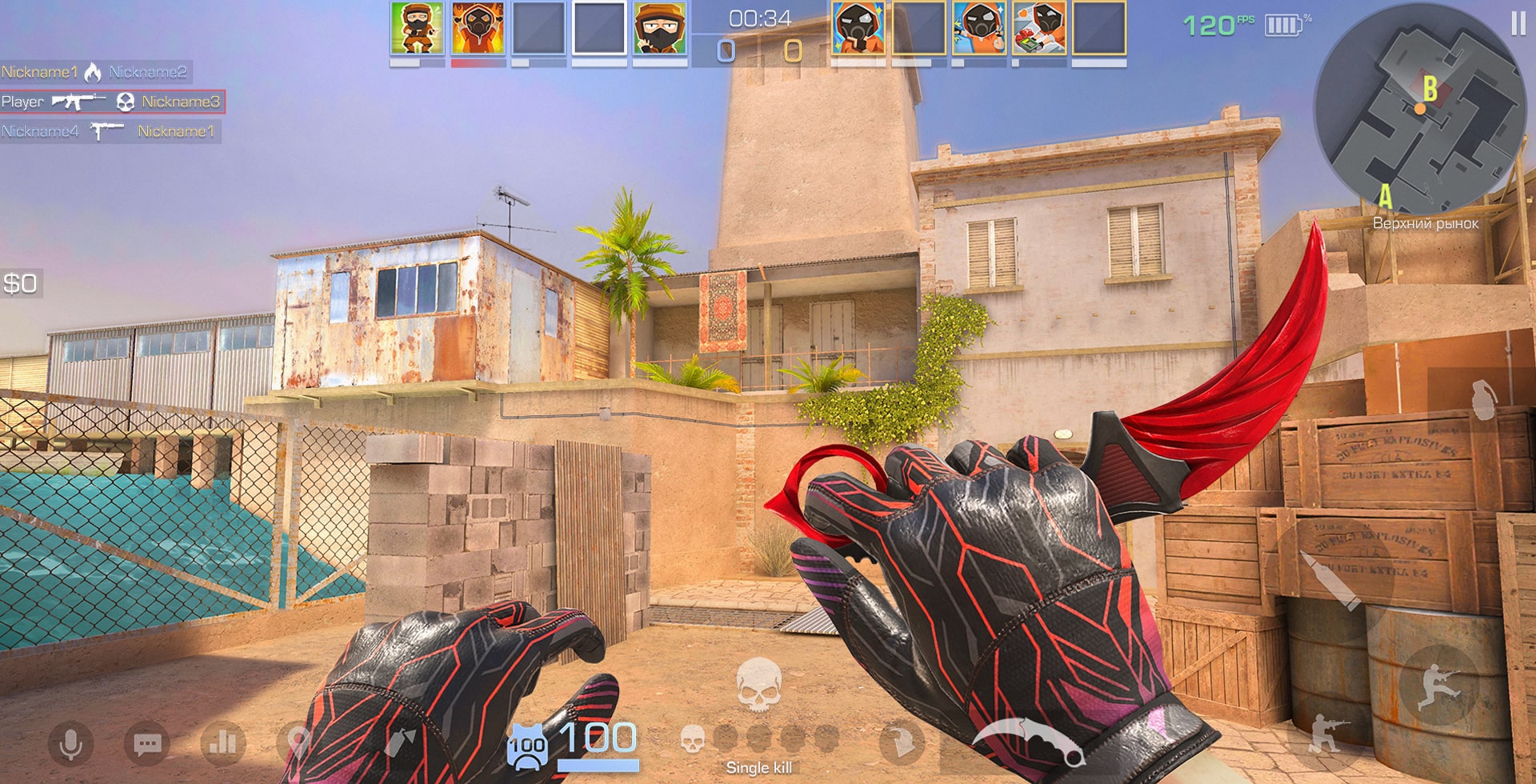
↑
Standoff 2 gameplay screenshot
Updates, Live Ops & Seasonality
DS: In 2025, Standoff 2 released 16 updates, including 5 major ones. How important is update frequency and scale for the game’s lifecycle?
NM: For a live service game like Standoff 2, update frequency is critical, but it’s not just about shipping more content. It’s about the right rhythm and scale. Regular updates keep the game feeling alive, while major updates give players something to anticipate and return for. Together, they support a healthy long-term lifecycle.
DS: You also mentioned that the game has seasonality. Summer is traditionally a slower period. How critical are content updates during summer, and what helps you maintain stability during seasonal dips?
NM: Seasonality is very real for us, especially in summer. Players travel more, spend time outdoors, and naturally play a bit less. That’s normal. Instead of fighting that, we plan around it. Summer update is designed to be lighter, more accessible, and fun — focused on events, cosmetics, and social engagement rather than heavy progression pressure. What helps us maintain stability is strong long-term planning, it’s a predictable content cadence, and deep understanding of our player behaviour. We don’t rely on a single update to “save” a period. Consistency, trust, and respecting players’ time are what keep the game stable through seasonal dips.
Player Retention
DS: Which retention mechanics work best for Standoff 2 today? How important is brand when it comes to long-term player retention?
NM: For Standoff 2, the strongest retention driver is the core gameplay itself. It’s fast, skill-based, and competitive. If the game isn’t fun and fair, no mechanic will save it.
On top of that, we focus on long-term systems rather than short-term pressure. A predictable rhythm helps players build the game into their routine.
Social connection is also a huge factor. Many players come to Standoff 2 to play with friends, and for others the game becomes a great way to find teammates, communicate, and socialize. Especially in competitive shooters, that sense of shared experience and teamwork keeps people coming back just as much as content does.
Brand plays a critical role in long-term retention as well. When players trust a brand, they stay longer, invest emotionally, and feel proud to be part of the community. For us, the Standoff 2 brand stands for fair play, skill, and respect for players’ time. That trust takes years to build — but once it’s there, it becomes one of the strongest retention drivers we have.
Longevity: 8 Years and Growing
DS: What do you think allowed the game not only to stay alive but to keep expanding?
NM: First, fair, skill-based gameplay. From day one, Standoff 2 has been built around competitive integrity. When players know that skill matters more than spending, trust builds and trust is the foundation of longevity.
Second, a strong live-ops mindset. The game keeps evolving through regular updates, seasons, and events, so it never feels static. At the same time, we’re careful not to break what already works.
And finally, community and brand. Standoff 2 grew alongside its players. We listen, we adapt, and we respect our audience’s time. Over eight years, that creates loyalty that goes far beyond any single feature.
That combination — fairness, consistency, and community trust — is what keeps the game not just alive, but growing.
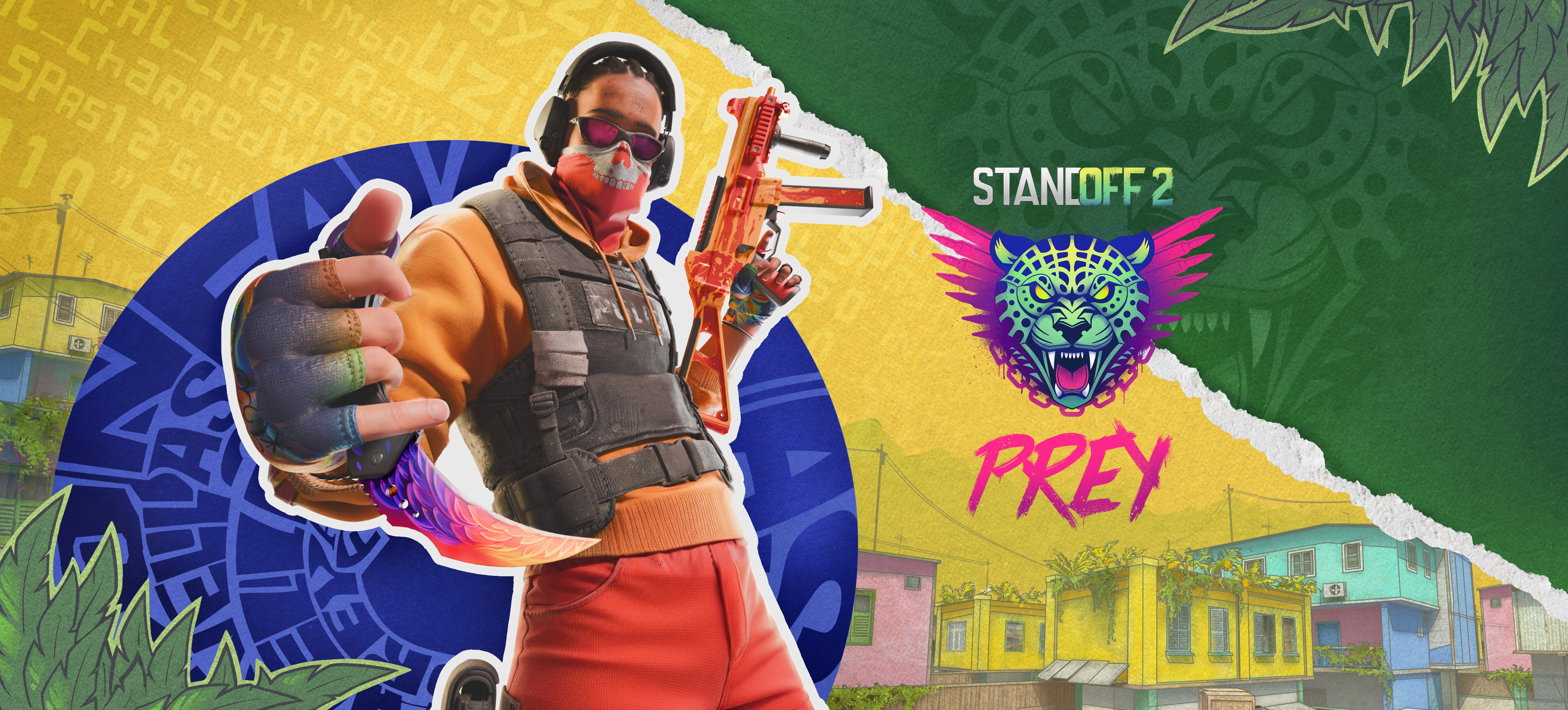
LATAM
DS: Brazil is one of your biggest and most active markets, and Standoff 2 consistently appears in the top 2–3 shooters there. How did that happen? What makes the game resonate so strongly with Brazilian players?
NM: Brazil is a very special market for us. First of all, FPS as a genre has always been incredibly popular there, and competitive shooters are deeply rooted in the local gaming culture.
But popularity alone isn’t enough. What really made the difference is our local approach. We truly believe in “think globally, act locally.” We have a dedicated community team in Brazil that understands the culture, speaks the same language as players, and stays very close to the community. That creates trust and authenticity.
Brazilian players are passionate, competitive, and social, and Standoff 2 naturally fits that mindset. When you combine a strong FPS foundation with fair gameplay and real local presence, the connection becomes very organic.
That approach also shows in our creative work. For Season 9, inspired by the energy and creativity of Brazilian culture, we licensed a track from a famous Brazilian artist for our video trailer, working closely with our local team throughout the process. I still remember seeing comments under the trailer saying, “We’re Brazilian and we love this!” — I even saved a screenshot 🙂 Moments like that are incredibly rewarding and show why this market means so much to us.
Women in Games
DS: There’s still a stereotype that the games industry is a “men’s world,” even though the numbers say otherwise. Why is supporting Women in Games important to you personally? And how relevant do you think initiatives like this are in 2026?
NM: Almost half of players globally are women, while women still represent only around a quarter of the games industry workforce. That gap isn’t about talent, it’s about visibility, confidence, and role models.
After more than 15 years in gaming, I reached a point where I was looking for an extra sense of purpose beyond my day-to-day work. Joining the Women in Games initiative felt very natural. I remember being at gamescom, talking with female colleagues and partners, and realising how much we had in common — the same challenges, the same wins. Sharing those experiences felt like a breath of fresh air, reinforcing how much we share and how powerful that connection is.
That’s what motivates me to invest time outside my main role: helping make strong female examples more visible, so young women who may hesitate in a male-dominated industry can make a conscious, confident choice about their path. To choose freely, you need to see real examples and hear real stories - and that’s exactly what I hope to contribute to.
I believe initiatives like Women in Games will be just as relevant in 2026 — not as a statement, but as a way to inspire confidence, leadership, and the next generation of women shaping the industry.
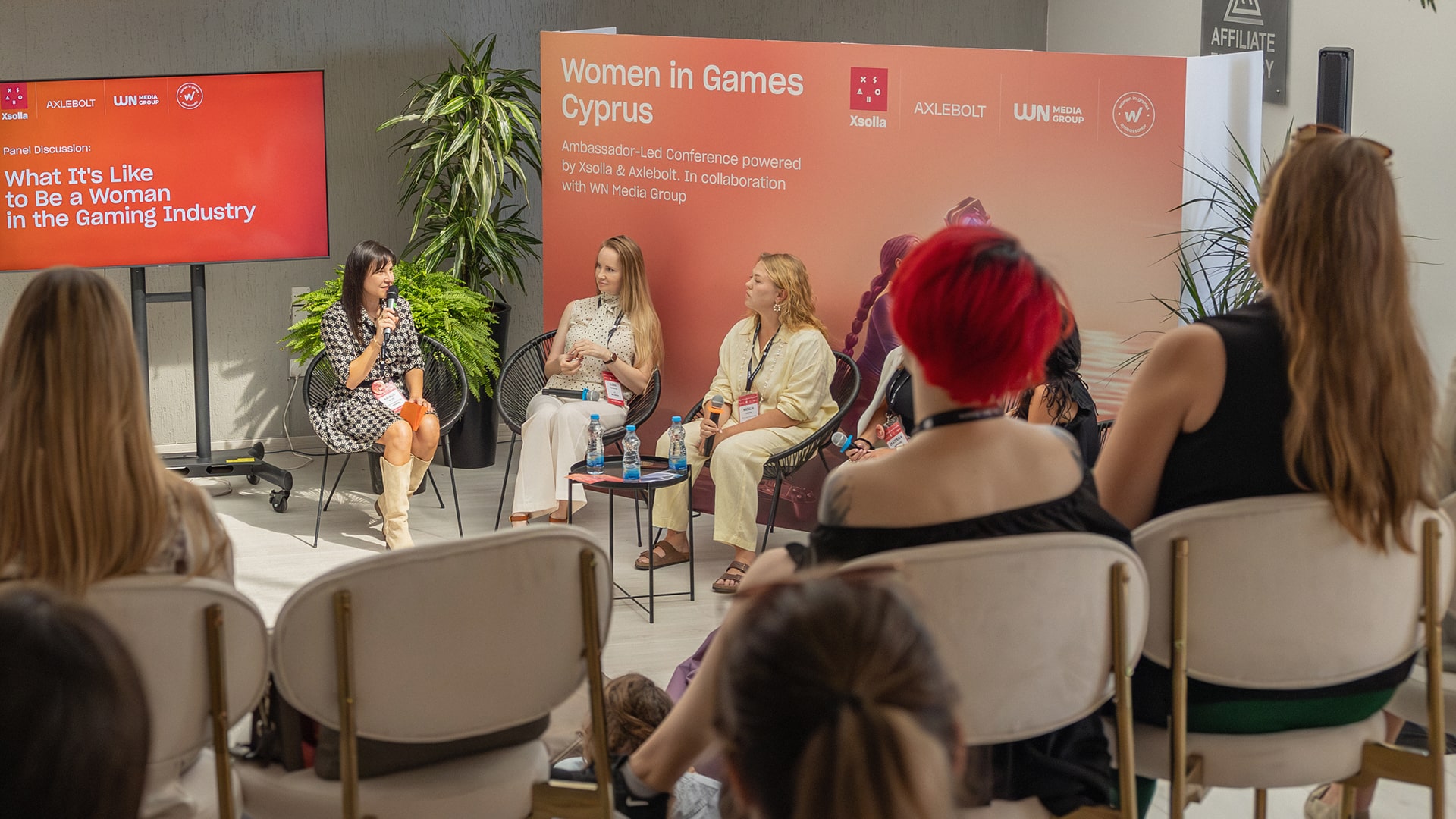
↑
Natalia Melnik speaking at Women in Games conference
Collabs
DS: Which collaborations in 2025 were the most successful? And what do you think made them work so well?
NM: Speaking about collaborations, I’d love to highlight our partnership with PlanetPlay, a non-profit organization that works with the games industry to turn in-game actions into real-world environmental impact. When we ran the first campaign, we saw some of the highest engagement across our social channels, but more importantly, we saw a real emotional response from the community. What made this collaboration special was its authenticity. It never felt like we were adding something artificial on top of the game. Instead, we built content that naturally belonged in the world of Standoff 2, communicated openly with our players, and worked hand-in-hand with PlanetPlay from the very first idea to execution.
Of course, strong engagement matters, but what really stood out was the sense of purpose behind it. Our players weren’t just participating; they felt they were contributing to something meaningful. For us as a team, that’s incredibly rewarding. It shows that when values, creativity, and community align, collaborations can go far beyond metrics and create real impact.
Initiatives & Community Engagement
DS: You participate in several external initiatives, for example, the Limassol Marathon, with the next one planned for March. Which initiatives are your favorites, and why are they important for the business? If you can share metrics, that would be amazing.
NM: Yeah, absolutely! Thanks for mentioning the Limassol Marathon, it’s become a really special initiative for our team. Last year, I somehow convinced myself to run my first marathon ever, and honestly, doing it together with our team made all the difference. It was tough, emotional, and incredibly motivating. And yes, there were plenty of “why did we sign up for this?” moments along the way 😄 But crossing that finish line together was an unforgettable feeling.
Experiences like this go far beyond branding. They bring the team closer, create real shared memories, and help us feel genuinely connected to the local community here in Cyprus. From a business perspective, it’s not easy to measure the impact immediately — ROI from initiatives like this doesn’t show up in a spreadsheet the next day. But the real value appears over time: in brand perception, loyalty, team spirit, and the way people genuinely relate to the brand. And for a long-term live product, that kind of connection is simply priceless.
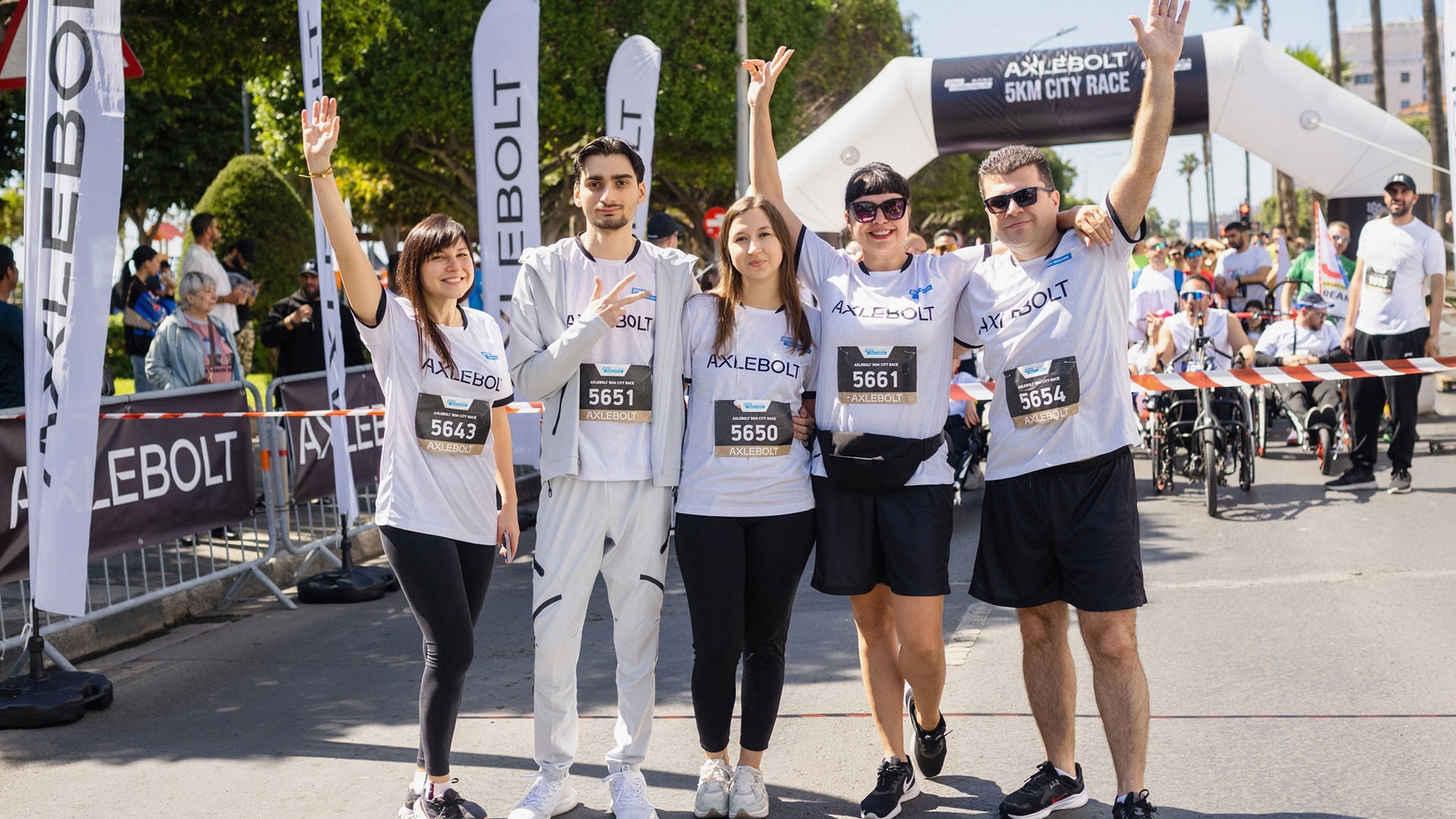
↑
Axlebolt team at the Limassol Marathon
Trends for 2026
DS: Where do you think the mobile gaming business is heading in 2026?
NM: I see mobile gaming becoming even more live-service and community-driven. Strong live ops, regular updates, and meaningful engagement will remain key to long-term success and this is exactly how we’ve been building Standoff 2 for years, as a constantly evolving live product shaped by player feedback.
Mobile is also changing on the distribution and monetization side. Alternative stores and more direct-to-developer purchase models are gaining traction, giving players more choice and developers more flexibility beyond traditional app stores.
At the same time, authentic branding and collaborations are becoming increasingly important. Players respond to experiences that feel culturally relevant and purposeful, not purely transactional and this mindset already influences how we approach partnerships and community initiatives at Axlebolt.
Finally, AI-driven tools will continue to support development, personalization, and live operations, helping teams move faster and smarter. For us, AI isn’t about replacing creativity, but about empowering teams to focus on what really matters: product quality and player experience.
Overall, the games and companies that stay flexible, listen closely to their communities, and are willing to evolve alongside players will be the ones that continue to grow in 2026 and beyond. And that mindset is very much part of Axlebolt’s DNA.
Working with Agencies
DS: There’s a lot of talk today about AI “replacing everything”: marketing, creative production, analytics, and so on. Yet game studios still choose to work with agencies. Why do you think partnerships with agencies like Playsense remain valuable?
NM: AI is a powerful tool and already changing how we work, but it doesn’t replace human context, taste, and judgment. That’s why partnerships with agencies still matter. Strong agencies bring strategic thinking, cultural understanding, and creative intuition. They challenge ideas, connect the dots across markets, and help turn a brand vision into something that truly resonates. They also offer real collaboration and accountability, which AI simply can’t replicate. That’s why we’re continuing our collaboration with Playsense this year as well.
Plans for 2026
DS: To wrap up: can you share anything about Axlebolt’s plans for 2026?
NM: Without giving too much away, 2026 is about building on what already works. Standoff 2 is a live product, and we’ll continue to improve and evolve it through regular updates, new content, and quality-of-life improvements, always guided by player expectations and feedback.
At the same time, we’re growing our expertise beyond the core product. We’re exploring new brand partnerships, expanding our presence in key markets, and investing even more in our global community.
So, while there may not be one big reveal just yet, players can expect Standoff 2 to keep improving in terms of content, polish, and technical depth and to feel even more connected to the community.